June 15, 2026
As winter approaches, it is important to ensure your home is prepared for freezing temperatures, snow, ice, and seasonal storms. Your roof serves as the primary barrier between your home and the elements, making it one of the most important systems to inspect before cold weather arrives. Even minor roofing issues can quickly worsen during winter, leading to leaks, structural damage, mold growth, and expensive emergency repairs. Identifying warning signs early allows homeowners to address concerns before they become major problems. Understanding these indicators can help you determine when professional attention is needed and protect your investment throughout the winter months.
Shingle Damage Indicators
Cracked shingles are among the most common signs of roof deterioration. Years of exposure to sunlight, wind, rain, and fluctuating temperatures can cause shingles to become brittle and split. Once cracks develop, water can penetrate beneath the roofing materials and reach the roof deck. This moisture intrusion may lead to rot, mold growth, and interior water damage. Addressing cracked shingles promptly can help prevent larger structural issues and extend the life of the roof.
Missing shingles are another serious concern that should never be ignored. Strong winds, severe storms, improper installation, and aging materials can all contribute to shingles becoming detached. When shingles are missing, the underlying roofing components are exposed to moisture and weather-related damage. Even a small area of missing shingles can create an entry point for water during winter storms. A roofing contractor can evaluate the affected area and recommend the most effective repair solution.
Curling or buckling shingles often indicate moisture problems, inadequate attic ventilation, or aging materials. These distorted shingles lose their ability to effectively shed water and resist wind uplift. During winter, snow and ice can accumulate in these vulnerable areas, increasing the likelihood of leaks. Homeowners should pay close attention to any visible warping because it frequently signals larger roofing concerns that require professional evaluation. In many cases, a roofing contractor can identify underlying issues before they lead to significant damage.
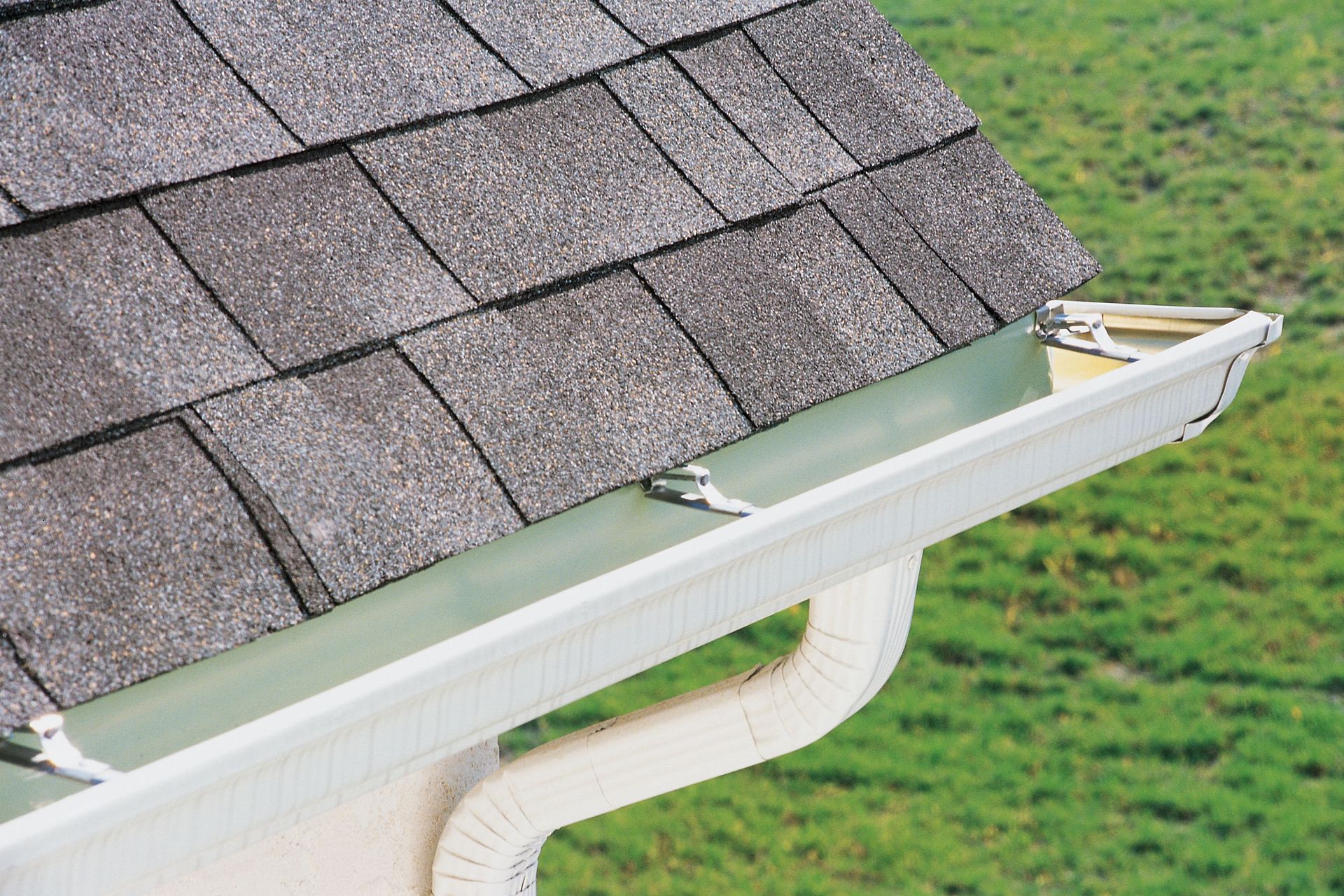
Granules found in gutters are another warning sign of roof aging. Asphalt shingles rely on granules to provide protection against ultraviolet rays and weather exposure. As shingles deteriorate, they begin shedding these protective granules. Excessive granule loss often indicates that the roofing materials are approaching the end of their useful life. Regular gutter cleaning can help homeowners identify this issue before more significant damage occurs.
Moss and algae growth may seem like cosmetic concerns, but they can contribute to long-term roofing damage. Moss traps moisture against the roof surface, increasing the risk of deterioration and rot. Algae can also weaken roofing materials over time. These growths thrive in shaded, damp environments and often indicate drainage or ventilation issues. Professional cleaning and maintenance can prevent further deterioration while preserving the integrity of the roofing system. A qualified roofing contractor can also recommend preventive measures to minimize future growth.
Sagging Roof Structure
A sagging roof deck is one of the most serious warning signs homeowners can encounter. Sagging often indicates structural weakness caused by water damage, inadequate support, aging materials, or excessive weight loads. Heavy snow accumulation during winter can place additional stress on already weakened sections, increasing the risk of failure. Any visible sagging should be addressed immediately to prevent further damage and potential safety hazards.
Signs of structural concerns may be visible both inside and outside the home. Exterior indicators include uneven rooflines, dips, or noticeable depressions. Interior signs can include cracked drywall, sticking doors, warped ceilings, or unusual creaking sounds. These symptoms often suggest that the roof structure is under stress and requires professional evaluation.
Ignoring a sagging roof can result in extensive and costly damage. Structural instability can affect walls, ceilings, insulation, and even the foundation. Moisture often compounds the problem by weakening wooden supports and encouraging mold growth. The longer these issues remain unaddressed, the more expensive repairs can become. Early intervention can prevent significant structural deterioration and improve overall home safety.
Temporary repairs such as tarps may provide short-term protection from water intrusion, but they do not solve underlying structural issues. Permanent solutions often involve reinforcing support systems, replacing damaged decking, or performing more extensive roof repairs. A roofing contractor can identify the root cause and recommend the most appropriate long-term solution.
Leaks and Water Intrusion
Water stains on ceilings and walls are often among the first visible signs of a roof leak. These stains may appear as yellow, brown, or dark discolorations and can expand over time. Even small stains can indicate significant hidden moisture problems within the roof structure. Identifying and repairing leaks before winter arrives can help prevent extensive interior damage.
Roof leaks commonly result from damaged shingles, deteriorated flashing, clogged gutters, cracked vent boots, or poor roof installation. Severe weather conditions can worsen these vulnerabilities, allowing moisture to enter the home. Regular inspections can help identify these problem areas before they develop into larger issues.
Scheduling an inspection with a roofing contractor before winter can help uncover hidden vulnerabilities.
Interior water damage often extends beyond visible stains. Peeling paint, warped drywall, bubbling textures, and soft ceiling materials can all indicate ongoing moisture intrusion. Homeowners should also pay attention to musty odors because they may signal hidden water damage within walls or insulation. Prompt repairs can prevent additional deterioration and reduce restoration costs.
Mold and mildew growth frequently accompany prolonged roof leaks. Damp conditions provide an ideal environment for fungal growth, which can negatively impact indoor air quality and create health concerns. Individuals with allergies, asthma, or respiratory conditions may be especially vulnerable. Addressing moisture issues quickly helps reduce mold risks and maintain a healthier living environment.
Determining whether repair or replacement is the best option depends on the extent of the damage. Minor leaks affecting isolated areas may only require targeted repairs. However, widespread water intrusion, aging materials, and recurring leaks may indicate that a roof replacement offers a more practical long-term solution. A roofing contractor can help homeowners compare costs and determine the most effective course of action. According to This Old House, around 79% of homeowners seeking roof service hired professional roofing contractors. This statistic highlights the importance many homeowners place on professional expertise when evaluating roofing problems and planning repairs or replacements.
Flashing Deterioration
Roof flashing plays a critical role in directing water away from vulnerable areas such as chimneys, skylights, vents, and roof valleys. Properly installed flashing helps create a watertight seal that prevents moisture infiltration. Because flashing is exposed to weather year-round, it can deteriorate over time.
Common flashing problems include rust, corrosion, cracking, separation from adjacent materials, and failed sealants. These issues create pathways for water to enter the roofing system. Winter weather can accelerate deterioration by exposing flashing to repeated freeze-thaw cycles and heavy precipitation.
Routine visual inspections can help homeowners identify flashing concerns before they result in leaks. Look for rust spots, lifted edges, missing sealant, or visible gaps around flashing components. Addressing these issues early can prevent significant water damage and extend roof longevity.
Professional flashing repairs involve replacing damaged materials, resealing vulnerable joints, and ensuring proper integration with the roofing system. Correct installation is essential for maintaining effective waterproofing and protecting the home from future moisture problems.
Preparing your roof before winter is an investment in your home's safety, efficiency, and longevity. By recognizing signs of damage early and addressing them promptly, homeowners can reduce the risk of leaks, structural deterioration, mold growth, and costly repairs. Professional guidance can provide peace of mind and help ensure your roof remains ready to withstand whatever winter brings. Contact our team at United Exteriors Roofing today to get connected with our roofing services.