September 30, 2026
Replacing a traditional shingle roof with a metal roofing system can be a practical upgrade for homeowners looking for greater durability, energy efficiency, and long-term performance. While asphalt shingles remain common because of their affordability and familiar appearance, metal roofing offers several advantages that can make the higher initial investment worthwhile. Before beginning a roof replacement, homeowners should understand the benefits, potential challenges, installation requirements, costs, and structural considerations associated with making the transition.
Durability and Longevity of Metal Roofing
One of the strongest reasons to consider metal roofing is its impressive lifespan. According to This Old House, asphalt shingle roofs have a lifespan between 20 and 30 years. In comparison, many metal roofing systems can last 40 to 70 years depending on the material, installation quality, and environmental conditions. Metal does not rot, crack, or warp in the same way some conventional roofing materials can. This durability can reduce how frequently homeowners need to invest in another roof replacement during the life of the property.
Metal roofing is also designed to withstand demanding weather conditions. Properly installed panels can provide strong resistance against heavy rain, high winds, hail, and snow. Interlocking panels and secure fastening systems can reduce the risk of wind uplift while helping prevent moisture from reaching the underlying roof structure. Metal is also resistant to fire, adding another level of protection for homes in areas where airborne embers or wildfires may be a concern.
Energy Efficiency and Indoor Comfort
Metal roofing can contribute to improved household energy efficiency because many metal surfaces reflect a portion of the sun's radiant heat rather than absorbing it. During warm weather, this can help reduce heat transfer into the attic and living areas. Homeowners may consequently place less demand on their air conditioning systems, potentially reducing energy consumption during the hottest parts of the year.
The performance of a metal roof also depends on insulation, underlayment, ventilation, and the overall roofing assembly. Some systems incorporate an air space between roofing materials and the underlying deck, helping control heat transfer. When a roof replacement includes appropriate insulation and ventilation improvements, homeowners may gain better temperature regulation throughout the year. Metal roofing can also work effectively with modern features such as solar panels, giving homeowners additional opportunities to improve household energy performance.
Environmental and Aesthetic Advantages
Homeowners interested in sustainable building materials may find metal roofing appealing because metal can often be recycled at the end of its useful life. Its long service life also means that roofing materials generally need to be replaced less frequently. Fewer replacements can reduce the amount of construction waste entering landfills and limit the resources needed for manufacturing, transporting, and installing new roofing materials over several decades.
Modern metal roofs also offer considerably more design flexibility than some homeowners expect. Panels are available in numerous colors, profiles, textures, and finishes. Certain products can even resemble shingles, slate, or traditional tile. This variety allows homeowners to select a system that complements contemporary, traditional, rustic, or other architectural styles. Durable coatings can help resist fading from ultraviolet exposure, allowing the roof to maintain its appearance and contribute to curb appeal for years.
Understanding the Initial Investment
Cost is one of the most important considerations when comparing metal roofing with asphalt shingles. Metal materials and installation can require a substantially larger upfront investment because the products themselves may cost more and installation frequently requires specialized expertise. Homeowners planning a roof replacement should therefore evaluate more than the initial estimate and consider expected service life, maintenance requirements, energy performance, and potential future repair expenses.
Professional installation is particularly important because metal panels require precise placement, fastening, flashing, and sealing. Improperly installed seams or fasteners may allow water infiltration or reduce the system's ability to withstand wind. Although skilled labor contributes to the initial project cost, professional installation helps homeowners receive the durability and performance they expect from the material. Financing options may also make the project more manageable, while certain homeowners may qualify for incentives associated with eligible energy-efficient improvements.
Noise, Weight, and Structural Considerations
Some homeowners worry that metal roofing will create excessive noise during rain or hailstorms. While precipitation can sound louder against exposed metal, modern roofing assemblies can substantially reduce indoor noise. Underlayment, attic insulation, roof decking, and other sound-dampening materials create barriers between the exterior panels and occupied rooms. Discussing acoustic concerns with a qualified contractor before installation allows homeowners to select materials and construction methods suited to their comfort preferences.
Weight is another important consideration, although metal roofing is often lighter than homeowners assume. Many metal systems weigh less than conventional roofing assemblies and therefore place relatively little additional stress on a home's structure. Nevertheless, the existing roof deck and supporting structure should be inspected before a roof replacement begins. Older homes, damaged decking, moisture deterioration, or other structural deficiencies may require repairs or reinforcement before new materials are installed.
Preparing the Existing Shingle Roof
Preparation begins with a detailed inspection of the existing roofing system. Contractors should look for leaks, damaged decking, rot, mold, deteriorated flashing, and structural weaknesses that could affect the new installation. Installing new roofing over unresolved damage can conceal problems rather than correct them, potentially leading to expensive repairs later. Addressing existing deficiencies provides a sound foundation for the new metal system.
Depending on local codes, manufacturer requirements, and the condition of the existing materials, metal panels may sometimes be installed over an existing layer of shingles. In other situations, the shingles need to be removed completely. Removing the old materials gives contractors direct access to the decking and makes it easier to identify concealed deterioration. The appropriate approach should be determined individually rather than assuming every roof is suitable for an overlay.
Underlayment, Ventilation, and Moisture Protection
Underlayment provides an important protective barrier between the metal panels and the roof deck. Synthetic products, felt, and other approved materials can provide secondary protection against moisture while supporting the overall performance of the roofing assembly. The correct product depends on climate, roof design, metal roofing type, and manufacturer specifications. Careful selection is particularly important during a roof replacement because the underlayment may remain beneath the metal panels for decades.
Ventilation is equally important for controlling moisture and temperature within the attic. Insufficient airflow can contribute to condensation, excess heat, mold growth, and deterioration of structural materials. A balanced ventilation system helps warm, moist air escape while allowing fresh air to enter. Contractors should evaluate existing intake and exhaust ventilation and determine whether modifications are necessary before completing the new roofing system.
Professional Metal Roof Installation
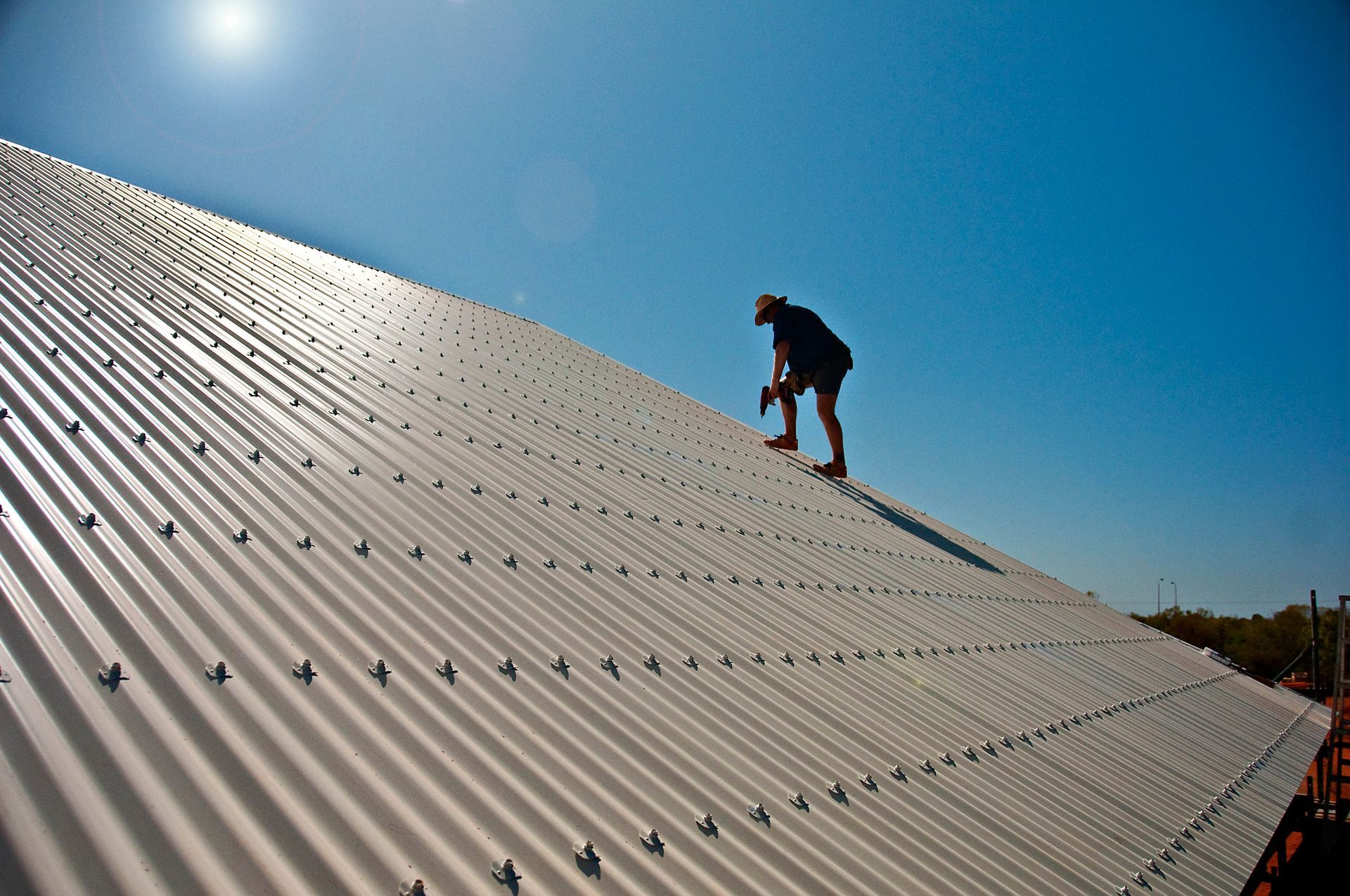
Installing metal roofing requires specialized knowledge and careful attention to details such as panel alignment, seams, flashing, penetrations, and fasteners. Vents, chimneys, skylights, valleys, and roof edges require particularly careful treatment because these areas can become vulnerable to moisture if improperly sealed. Metal also expands and contracts as temperatures change, so installation methods must accommodate natural movement without compromising the system.
Because of these technical requirements, metal roofing is generally not an ideal project for inexperienced do-it-yourself installers. Mistakes can affect weather resistance, appearance, manufacturer warranties, and long-term durability. Working with an experienced roofing professional gives homeowners access to proper equipment, installation techniques, and knowledge of the specific metal system being installed. Quality workmanship is essential for maximizing the value of a roof replacement.
Every home requires an individual assessment. Roof condition, structural integrity, climate, budget, local regulations, and architectural preferences all influence whether metal is the appropriate choice. A professional inspection can identify hidden concerns and help determine whether existing shingles can remain or need to be removed. With careful planning, suitable materials, and professional installation, a roof replacement from shingles to metal can provide lasting protection, attractive curb appeal, and dependable performance for decades. Contact our team at United Exteriors Roofing today and learn more about our roof replacement services.