July 24, 2026
Every structural system shielding a home from environmental exposure functions as an interconnected barrier against destructive forces. While roofing shingles and exterior siding command considerable visual presence, water diversion management remains an essential line of defense for preserving overall structural integrity. An uncontrolled rainfall cascade can swiftly degrade structural foundations, erode manicured landscaping, compromise basement spaces, and induce premature decay across fascia boards and soffits. Establishing a highly efficient drainage layout requires careful planning, deep technical understanding, and flawless craftsmanship. Homeowners frequently discover that navigating exterior upgrades involves evaluating material choices, understanding structural architecture, and weighing installation methodology. Seeking clarity on these essential elements guarantees a well-protected residence that maintains its aesthetic charm and equity value for decades.
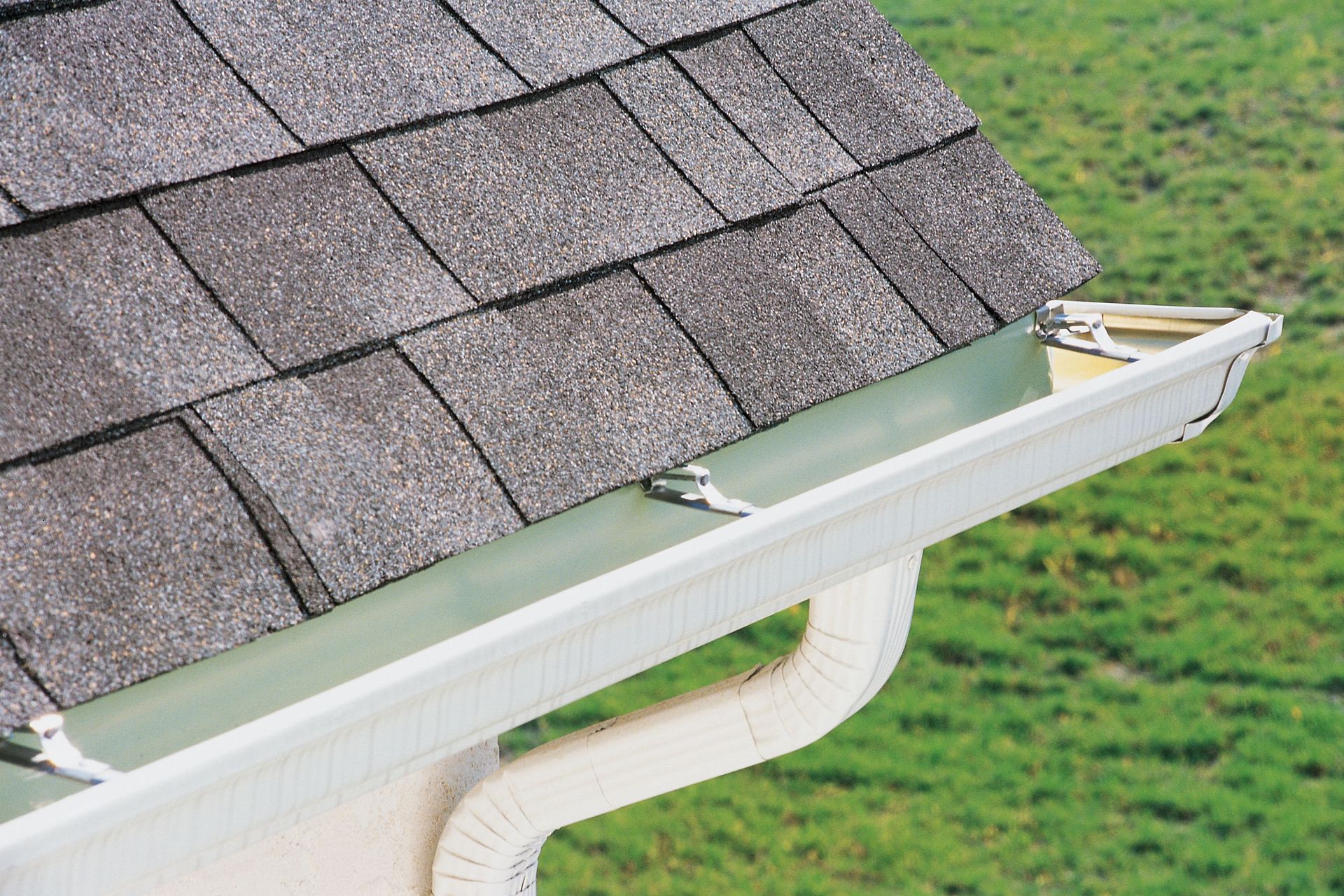
When property owners plan major exterior enhancements, initiating a seamless gutter installation process involves recognizing how water dynamics interact with specific rooflines and architectural geometries. Rainwater collecting along roof slopes must be directed fluidly away from foundation perimeters to prevent hydrostatic pressure buildup. Without an expertly engineered channeling setup, heavy precipitation gathers near foundation footings, causing soil expansion, wall cracking, and internal moisture seepage. High-quality exterior drainage systems mitigate these structural hazards by collecting rainwater efficiently at roof edges and dispersing it harmlessly via strategically anchored downspouts. Understanding how professional installations function empowers property owners to make informed decisions that safeguard their valuable real estate investments.
Evaluating Drainage Needs for Your Home
Assessing the specific water management demands of a residential property requires analyzing roof dimensions, pitch steepness, and regional weather severity. Roofs with steep inclines accelerate water flow during heavy downpours, demanding wider channel capacities and precisely spaced downspouts to accommodate sudden volumes. Conversely, broad roof areas accumulate vast quantities of rainfall that must be efficiently funneled without overflowing over channel edges. Furthermore, surrounding foliage, nearby tree canopy overhangs, and soil absorption rates dictate how downspouts should be oriented and extended away from the primary structure.
Professional technicians perform meticulous site evaluations before proposing an exterior water control strategy. They examine historical rainfall patterns, structural fascia board durability, and ground slope contours to design a tailored drainage layout. Proper positioning ensures that water collectors maintain exact pitch angles, guiding water seamlessly toward downspout openings without pooling in low points. A tailored evaluation avoids common pitfalls such as undersized channels or improper downspout placements that lead to localized flooding around foundation walls.
Selecting Optimal Materials and Architectural Styles
Choosing the ideal material profile for an exterior water collection system impacts long-term durability, structural performance, and curb appeal. Modern exterior choices range from lightweight aluminum and durable steel to elegant copper and economical vinyl options. Aluminum remains a widely preferred option due to its exceptional resistance to rust, extensive color choices, and light structural weight. Heavy-gauge steel provides superior resistance against severe impact and high wind loads, whereas copper offers timeless architectural elegance that develops a graceful natural patina over time.
According to This Old House, a new gutter system will last anywhere from a few years to the lifetime of your house, depending on the material you choose and how well they’re installed and maintained.
In addition to selecting appropriate base materials, choosing between traditional sectional channels and modern seamless designs heavily influences system performance. Sectional systems consist of pre-cut channel lengths joined together with connectors and sealants. Over time, expanding and contracting temperatures strain these joined seams, increasing the risk of persistent leaks. Seamless setups, by contrast, are custom-fabricated directly on site from single continuous metal coils. By eliminating intermediate joint seams along straight roof runs, seamless configurations significantly reduce potential failure points and deliver a cleaner, streamlined aesthetic.
Understanding Precision Techniques in Craftsmanship
Executing a flawless gutter installation demands precise measurement, specialized equipment, and detailed craftsmanship. Seamless fabrication equipment allows trained experts to craft continuous channels shaped perfectly to the exact dimensions of each individual roofline run. This custom fit eliminates unsightly gaps and reduces operational stress across structural fascia boards. Professional installers ensure that every foot of channel is pitched at precise slopes, encouraging optimal gravity flow while remaining visually aligned with the home's architectural lines.
Securing the water channels to the structure requires robust hanging hardware placed at carefully calculated intervals. Internal heavy-duty hidden hangers offer exceptional support without compromising exterior sightlines. Installers secure these hangers directly through fascia boards into heavy structural rafters using corrosion-resistant fasteners. This rigorous anchoring prevents sag, detachment, or distortion when channels experience heavy water loads, accumulated debris, or seasonal ice accumulation. Precise craftsmanship guarantees long-term durability and continuous performance through challenging weather cycles.
Recognizing Long-Term Benefits of Expert Execution
Investing in skilled gutter installation offers substantial advantages over self-installed alternatives. Trained exterior specialists possess extensive knowledge regarding structural load balances, local building standards, and complex roof geometry challenges. They possess specialized safety equipment and heavy fabrication machinery, enabling them to complete complex projects safely and efficiently. Improperly installed drainage configurations often suffer from pitch inaccuracies, inadequate fastening, or improper downspout placement, leading to costly water damage repairs shortly after completion.
A professionally executed gutter installation provides long-term peace of mind by safeguarding vulnerable structural components. Proper water redirection prevents continuous water splashing against exterior siding, preserving exterior paint finishes and preventing wood rot across soffits. Additionally, preventing foundation erosion preserves expensive outdoor hardscaping, walkway paving, and decorative garden beds. The initial expenditure on professional quality pays continuous dividends through avoided structural repair expenses and preserved property market value.
Integrating Advanced Protection and Downspout Accessories
Enhancing an exterior drainage framework involves integrating supportive accessories designed to optimize water management and minimize routine maintenance demands. Protective leaf guards and debris screens serve as effective physical barriers, preventing fallen leaves, twigs, and pine needles from clogging primary channels. By maintaining clear water pathways, protective guards reduce the frequency of manual channel cleanouts and prevent water overflow during sudden heavy storms.
Downspout extensions and water dispersion accessories play an equally crucial role in effective drainage strategies. Directing discharged rainwater well beyond foundation drip lines prevents soil saturation near basement walls and crawl spaces. Installers can incorporate underground drainage pipes, decorative splash blocks, or rain collection barrels depending on specific landscape contours and homeowner preferences. Integrating these comprehensive components ensures complete rainwater management from roof peak to property perimeter.
Maintaining System Integrity Over Extended Decades
Preserving optimal functionality requires routine visual inspections and periodic preventive maintenance following a new gutter installation. Property owners should clear residual debris from channels and downspout elbows at regular seasonal intervals, particularly during late autumn and early spring. Checking structural mounting brackets ensures that channels remain securely attached and correctly pitched. Identifying minor issues early—such as loose fasteners or small sealant wear around corner end caps—prevents minor maintenance items from escalating into major structural repair needs.
Partnering with established exterior specialists ensures ongoing access to professional maintenance support and expert advice. Experienced professionals can perform detailed multi-point structural checks, clean elevated channel runs safely, and execute prompt repairs when severe weather strikes. Establishing an ongoing care routine preserves the functional efficiency and aesthetic appeal of your water management system throughout its entire operational lifespan.
Navigating exterior property upgrades requires selecting reliable structural solutions, premium materials, and skilled execution teams. When you are ready to schedule your upcoming gutter installation and enhance your home's exterior defense, entrust your project to dedicated industry specialists who prioritize quality craftsmanship and customer satisfaction. At United Exteriors Roofing, we are dedicated to providing superior exterior solutions tailored to protect your home against the elements. Contact our expert team today to schedule your comprehensive consultation and secure the lasting protection your property deserves.